Steam, Secrets, and the Stranger Across the Table
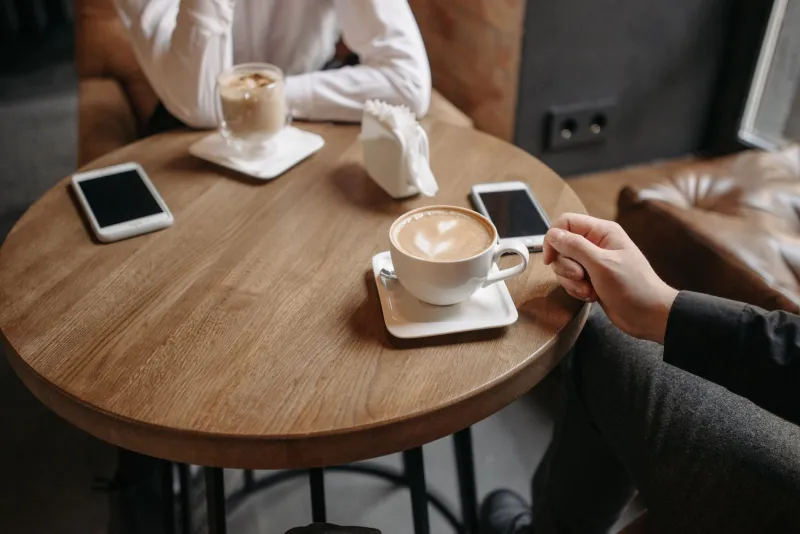
Somewhere between the second sip and the moment the foam starts to dissolve, something shifts. The guard drops. The voice gets quieter. And suddenly you're telling someone something you swore you'd never say out loud.
It happens in coffee shops and kitchen tables and corner diners across the country every single day. A hot drink appears, and with it, the inexplicable urge to talk. Really talk. Not small talk. Not weather talk. The kind of talk that leaves you feeling both lighter and slightly terrified on the walk home.
So what is actually going on here?
The Cup as a Permission Slip
Psychologists have a name for the phenomenon — though they tend to dress it up in more clinical language. The concept of a "transitional object" was originally applied to the stuffed animals and security blankets that help children navigate anxiety. But the principle doesn't exactly retire at age seven. Adults need props too. We're just better at pretending we don't.
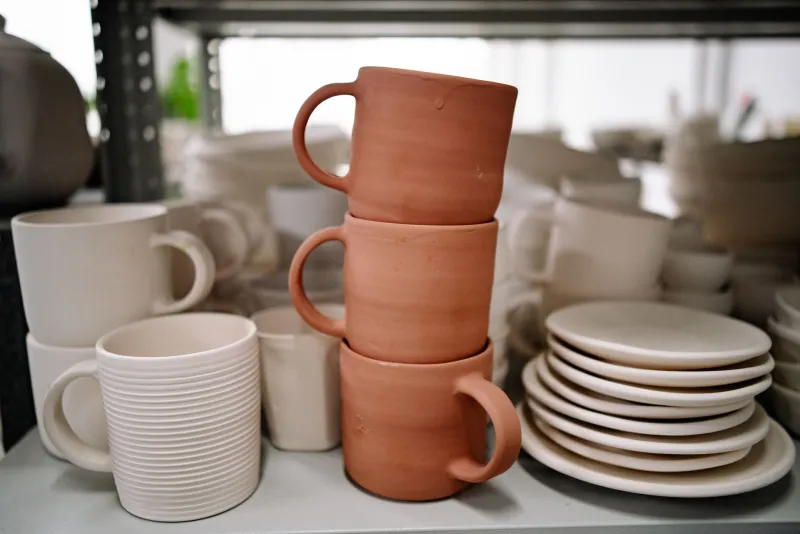
A mug — warm, heavy, present — gives your hands something to do when the rest of you doesn't know what to do. It's an anchor. It signals: we are here, we are staying, this is a moment set apart from everything else. The ritual of ordering, waiting, wrapping both palms around ceramic — all of it functions as a kind of social permission slip. You're not just sitting with someone. You're doing something together. And that shared doing makes the talking feel less exposed.
There's also the matter of eye contact, or rather, the glorious relief of not having to maintain it. When you're sitting across from someone at a café table, you can look at your cup. You can watch the steam. You can stare into the middle distance while you find the right words. Nobody thinks you're being weird. You're just drinking your coffee.
The Steam Curtain
Speak to anyone who's had a life-changing conversation over a hot drink and they'll often mention the steam without realizing it. It's background noise, visually speaking — a gentle, soft interruption that keeps the space feeling intimate without being suffocating.
There's an argument that steam functions almost like a visual whisper. It softens the hard edges of a difficult conversation. It gives the room a texture that a glass of ice water simply cannot provide. Cold drinks are for transactions. Hot drinks are for revelations.
This is not a coincidence that the café industry stumbled into accidentally. Tea ceremonies across East Asian cultures have understood the meditative, trust-building function of the hot beverage ritual for centuries. The Japanese concept of ma — the meaningful pause, the intentional empty space — is built right into the act of watching tea steep. American coffee culture arrived at something similar through a completely different door, but the destination is recognizable.
Baristas Didn't Apply to Be Therapists
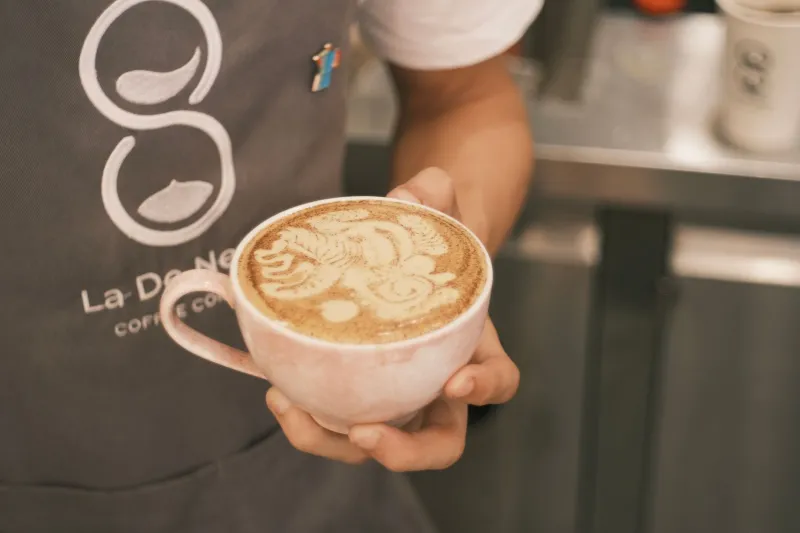
Ask any barista who's worked a morning shift at a neighborhood café and they'll tell you: people say things. Things they probably wouldn't say anywhere else. Divorce news delivered over a latte order. Grief that spills out between the foam art and the handoff. Job losses, breakups, health scares — confessed to someone in an apron who learned their name three weeks ago.
This isn't purely accidental. The barista occupies a unique social position — familiar enough to feel safe, but professionally distanced enough to feel low-stakes. There's no reciprocal vulnerability required. No relationship maintenance afterward. You can tell your barista something heavy and walk out into the morning without it changing anything fundamental about your life. It's intimacy with an exit ramp.
Some cafés have started to quietly acknowledge this dynamic. A handful of coffee shops around the country have experimented with mental health awareness partnerships, training staff in basic active listening or posting crisis line numbers alongside the menu. It's a small gesture, but it reflects a growing cultural recognition that these spaces are doing emotional labor that nobody officially assigned them.
Why We Don't Do This at Restaurants
Here's a small but telling detail: the deep confessional conversation almost never happens at a restaurant. Dinner is for performance. Brunch is for a specific kind of curated vulnerability — the kind that comes with mimosas and a carefully maintained aesthetic. But coffee? Coffee is for the real stuff.
Part of this is duration. A coffee meeting has no hard structure. There's no appetizer-entrée-dessert arc keeping you on schedule. You can stay for forty-five minutes or three hours and nobody is going to pressure you to turn the table. That open-ended quality makes it feel safer to go somewhere emotionally unpredictable.
Part of it is also cost and casualness. A café is not a stage. You didn't dress up for it. You don't owe the moment anything. The low stakes of the setting paradoxically enable higher-stakes conversations.
What We're Really Drinking
At its core, the café confessional is about one of the oldest human needs: to be witnessed. To say something true out loud to another person and have them stay in the room with you. The hot drink is almost incidental — a ritual frame that tells both parties that this moment is different from the one before it and the one after it.
We are, culturally speaking, desperately short on spaces that feel safe enough for that kind of honesty. Therapy is still stigmatized for a lot of people. Bars blur the edges. Homes feel too loaded. But a coffee shop? Neutral ground. A paper cup or a ceramic mug between you and the world, steam rising, time suspended just enough.
Drink up. Apparently, we all have something to say.