Hold the Handle: Why Your Mug Is Now the Most Personal Thing You Own
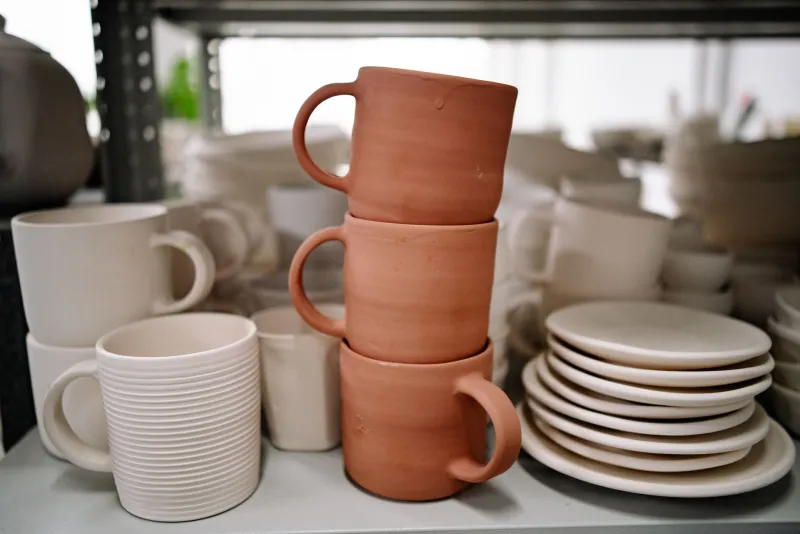
There's a mug on my desk right now that I would genuinely be devastated to lose. It's squat, slightly lopsided, glazed in a matte sage green that bleeds into cream at the rim, and it was made by a ceramicist in Portland who sells out of her studio within minutes every drop. I paid thirty-eight dollars for it. My mom thinks I've lost my mind. She's probably right, but also — she doesn't get it.
The mug has become the object of our cultural moment. Not a statement piece you hang on a wall, not a vintage find you keep behind glass. Something you use every single morning, wrap both hands around, and somehow feel more like yourself because of. That tension — between the utilitarian and the deeply personal — is exactly what's driving one of the quieter, weirder collecting crazes happening right now across the US.
From Dollar Store to Drop Culture
For most of the 20th century, mugs were promotional afterthoughts. Company logos. Souvenir shops. The "World's Best Dad" gifts of the universe. Mass production made them cheap, interchangeable, disposable. Then something shifted.
The craft beer boom of the 2010s primed American consumers to care about how things are made. The farm-to-table movement told us sourcing matters. Instagram made aesthetics a personality trait. And somewhere in that Venn diagram, the artisanal mug found its audience — specifically, millennials and Gen Z consumers who are increasingly suspicious of fast everything and hungry for objects that feel made by a human being who gave a damn.
Small ceramicists started treating their work like sneaker drops. Limited runs. Newsletter sign-ups. Waitlists. Makers like East Fork Pottery in Asheville, North Carolina turned functional stoneware into something people genuinely covet, building cult followings that would make a lot of streetwear brands jealous. Their pieces aren't cheap — and that's kind of the point. In a world drowning in Amazon basics, paying real money for something handmade is its own kind of protest.
The Politics in the Clay
But it's not just aesthetics driving the obsession. Mugs have quietly become one of the more subversive canvases for indie artists with something to say.
Scroll through any ceramics-heavy corner of TikTok or Instagram and you'll find mugs emblazoned with reproductive rights slogans, queer affirmations, anti-capitalist one-liners, and brutally honest mental health humor. These aren't Zazzle print-on-demand situations — they're hand-painted, small-batch pieces made by artists who are essentially getting political messaging into people's kitchens one coffee drinker at a time.
Makers like Cheeky Ceramics and dozens of anonymous Etsy shops have figured out that a mug is one of the few objects a person interacts with in an intimate, daily, almost ritualistic way. Put your message there, and it lands differently than a bumper sticker or a tote bag. It becomes part of someone's morning. That's powerful real estate.
Thrift as Time Travel
Not everyone's buying new, though. The vintage mug market has exploded in parallel, fueled by the same nostalgia economy that's made Y2K fashion and 90s sitcoms relevant again. Mugs from defunct diners, regional coffee chains, state fairs, and long-gone corporations carry a specific emotional weight that no new piece can replicate.
Thrift stores, flea markets, and platforms like Depop and Poshmark have become hunting grounds for collectors chasing pieces that feel like artifacts. A mug from a Stuckey's roadside stop or a mid-century airline logo carries history in its glaze. It's a form of sustainable consumption that also scratches the collector's itch without the carbon footprint of ordering something new.
There's also something quietly democratic about it. You don't need to afford a forty-dollar handmade piece to participate in the culture. A two-dollar Goodwill find with a regional diner logo can be just as meaningful — maybe more so — if it connects you to a place, a memory, or an era.
The Maker Economy's Most Accessible Entry Point
Ceramics has also become one of the most accessible art forms for people who want to make, not just buy. Community pottery studios across the US have seen waitlists explode post-pandemic. People who spent lockdown doom-scrolling emerged wanting to make something with their hands — something slow, tactile, and imperfect in ways that feel human.
The mug, with its relatively forgiving form and obvious utility, is where most beginners start. And a lot of them don't stop. Social media has given amateur ceramicists a platform to sell work that would have had no market twenty years ago, creating a sprawling ecosystem of micro-makers whose work never appears in a gallery but sells out in hours.
This is the indie disruption happening in real time. The mainstream mug market — your Targets, your Anthropologies — still moves massive volume, but the cultural conversation has shifted toward the handmade, the intentional, the weird. Big retailers have noticed and are scrambling to co-opt the aesthetic, which is, of course, exactly when you know something real is happening underground.
What You're Really Holding
Here's the thing about a mug: it's one of the last objects most of us use completely alone, usually in a quiet moment before the noise of the day kicks in. What you choose to hold in that moment says something. Maybe it's a piece made by an artist you admire. Maybe it's a thrifted relic from a town you've never visited. Maybe it's got a slogan that makes you laugh or reminds you of something you believe in.
That's not consumerism for its own sake — or at least, it doesn't have to be. At its best, the mug collecting moment is about people wanting objects that mean something in a world that mass-produces meaning out of everything.
My lopsided sage green mug is still on my desk. I'm going to go make something hot to put in it. That feels like enough.