They Know Your Oat Milk but Not Your Middle Name: The Hollow Warmth of Being a Regular
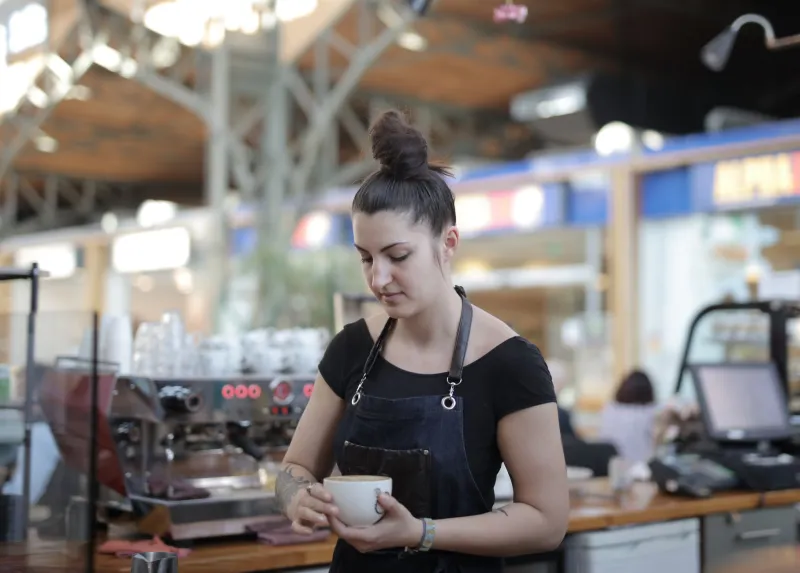
Something happens when the barista looks up and reaches for the cup before you've said a word. There's a small, involuntary warmth that moves through you — a feeling that sits close enough to being known that your nervous system doesn't always catch the difference. You smile. They smile. The transaction begins, dressed up as a reunion.
It's one of the quieter illusions of daily American life, and it's worth pulling apart.
The Performance of Familiarity
Regulars are, functionally, a business asset. A customer who returns three times a week, orders the same thing, and feels emotionally tethered to a location is the dream demographic. Coffee shops — especially the independent ones that lean hard into community aesthetics — understand this intuitively. Remembering your order isn't just hospitality. It's retention strategy with a human texture.
None of that makes it cynical, exactly. The barista who memorizes your double shot with oat milk, no foam, isn't necessarily faking warmth. But the structure around that warmth is designed. The workflow is optimized. The interaction has been, whether consciously or not, rehearsed into something that functions like intimacy without requiring the actual vulnerability intimacy demands.
What you're experiencing, most of the time, is a parasocial loop running in meatspace. You feel recognized. You feel seen. You leave a good tip and maybe a five-star review. The shop gets loyalty. You get the sensation — not quite the substance — of belonging somewhere.
When the App Ate the Moment
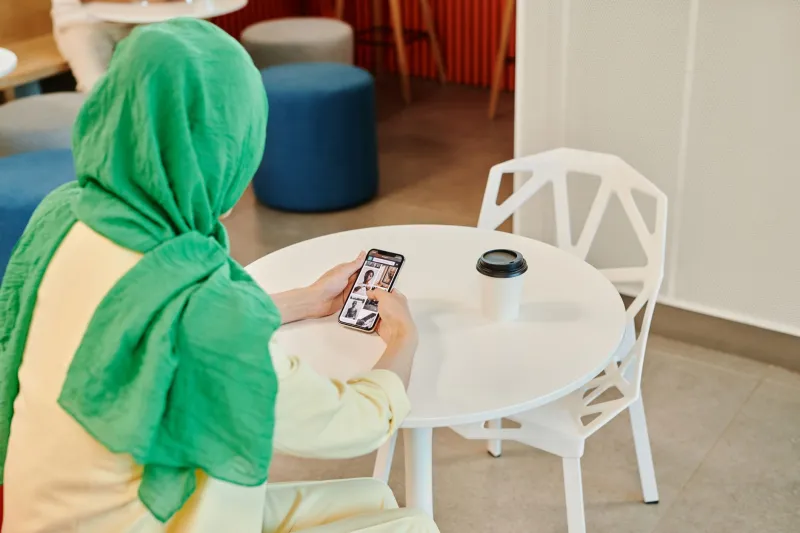
Here's where it gets genuinely strange: that already-thin simulation of connection has been further automated. Starbucks knows your order before you walk in the door. The app has your preferences catalogued, your past purchases indexed, your "usual" queued up and waiting. You can walk in, grab your cup from the pickup counter, and exit without making eye contact with a single human being. Efficient. Frictionless. Completely hollow.
The loyalty program didn't create this dynamic — it just made it legible. Your preferences were always being tracked, informally, in the memory of whoever happened to be working your shift. Now that tracking has been formalized, datafied, and handed back to you as a personalization feature. The app calls it convenience. What it actually is, is the removal of the last organic element from a relationship that was already mostly theater.
And yet people — including people who know better — still feel something when the app greets them by name. Still feel a small lift when the notification says their order is ready. The emotional response doesn't care that it's being manufactured. It fires anyway.
What a Regular Actually Needs
There's a reason the "regular" archetype runs so deep in American culture. The corner bar where everybody knows your name. The diner where the server pours your coffee without asking. The neighborhood spot that holds a table for you on Sunday mornings. These aren't just nostalgic tropes — they're blueprints for a kind of low-stakes belonging that a lot of people are genuinely starved for.
Loneliness in the US has been called an epidemic so many times the word has started to feel tired, but the data keeps arriving and it keeps being grim. People are more isolated, more digitally mediated, and more likely to describe their social lives as insufficient than at almost any other point in recorded American history. Into that gap walks the coffee shop, offering something that looks, at a certain angle, like community.
The barista who remembers your order is filling a real need. The problem isn't that the service exists. The problem is when we mistake it for something it isn't — when the cup handed over the counter starts to feel like proof that we matter to someone, specifically, as a person rather than a preference profile.
The Name on the Cup Problem
There's an almost too-perfect metaphor living inside the Starbucks cup. They ask for your name. They write it on the side. They call it out when the drink is ready. It feels personal. It's also, famously, a logistical tool for order management that has been so thoroughly aestheticized that people photograph it, joke about the misspellings, build whole TikTok genres around it.
Your name is on the cup. They still don't know your name.
That gap — between the gesture toward personhood and the actual absence of it — is where the modern coffee shop regular lives. You are known in outline. Your silhouette has been memorized: the drink, the time of day, maybe the vague category of you seem stressed on Mondays. But the interior of that silhouette, the actual you, remains as anonymous as the stranger who orders after you.
Is That So Bad?
Honestly? Not always. There's an argument that low-investment recognition is still recognition, and that expecting a barista to be your friend is both unfair and unrealistic. Service workers are doing a job. A job that often involves performing warmth under difficult conditions, for mediocre pay, for a rotating cast of customers who are themselves distracted and only half-present. The fact that some genuine connection sometimes sparks anyway — that regulars and baristas do occasionally become actual friends, that coffee shops do sometimes function as real third places — is kind of remarkable, not a baseline expectation.
But the discomfort worth sitting with is this: in the absence of other structures for community, a lot of Americans are quietly, maybe unconsciously, outsourcing their sense of belonging to businesses. To apps. To loyalty programs that remember their birthdays and offer them a free drink. And those businesses are happy to accept that outsourcing, because a customer who feels emotionally connected is a customer who keeps coming back.
The cup gets filled. The feeling gets filed. And somewhere between the register and the door, you almost felt known.
The Honest Cup
Maybe what the regular relationship actually offers — at its most honest — is a kind of structured warmth. Not friendship. Not community in the full sense. But a consistent, low-pressure point of contact with another human being, in a world that increasingly makes those points of contact harder to find organically.
That's worth something. It just isn't worth confusing for something deeper.
The barista remembers your order. That's real, and it's not nothing. But the next time that small warmth moves through you — the one that feels like being seen — it might be worth asking what you're actually hungry for, and whether a perfectly memorized oat milk latte is ever really going to be the thing that feeds it.