Spine Out, Logged On: The Bookstore as Stage Set and the Literature We're Not Reading
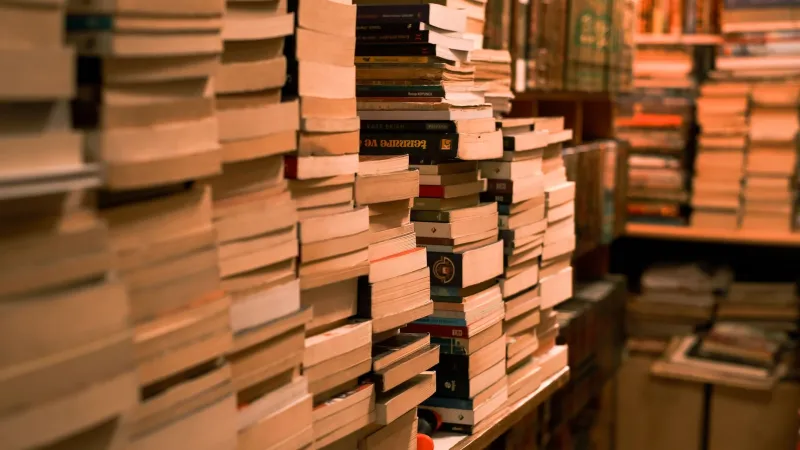
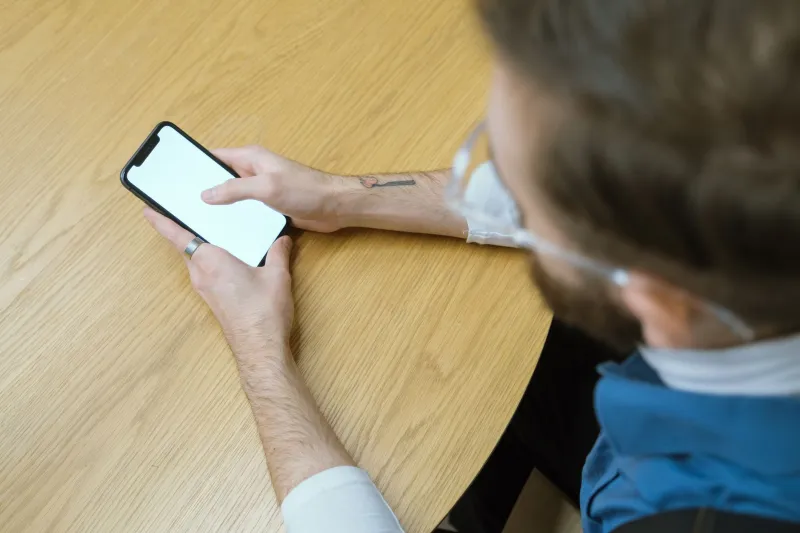
Let me describe a scene you've probably witnessed, or possibly starred in. Someone walks into an independent bookstore. They move slowly, deliberately, fingers grazing spines. They pick up a book, read the back, set it down. They pick up another. At some point, a phone comes out—not to look something up, but to photograph the scene. The stacked tables. The hand holding the book. The warm amber light falling across a display of titles that signal exactly the right kind of intellectual curiosity.
The book may or may not be purchased. If it is, it may or may not be read.
None of this is a secret. And yet we keep not talking about it directly.
The Indie Bookstore as Cultural Totem
Independent bookstores occupy a particular place in the American cultural imagination right now. They're shorthand for a whole cluster of values: local over corporate, slow over fast, depth over scroll. Supporting your local indie bookstore is a moral act, a political act, an aesthetic act all at once. This is not entirely wrong—indie bookstores do matter, they are worth supporting, and the communities they build around literature are real and valuable.
But the symbolic weight they've accumulated has started to do something strange. When a place becomes a symbol, it also becomes a backdrop. And backdrops are for performance.
The Instagram-ification of indie bookstores has been happening for years, but it accelerated somewhere around 2019 and never really slowed down. BookTok brought a new wave of enthusiasm for physical books—which is genuinely great—but it also brought the same visual logic that governs every other corner of social media: aesthetics first, content secondary. The look of reading. The vibe of being a reader. The carefully arranged stack of five books on a nightstand, each one chosen as much for its cover design as its contents.
The Anxiety of the Right Purchase
Here's something that doesn't get discussed enough: shopping in an indie bookstore, for a certain kind of person, has become genuinely stressful. Not in a paralysis-of-choice way, but in a what does this say about me way.
You're browsing. You pick up a buzzy literary novel that's been everywhere this season. Then you put it down because buying the obvious thing feels basic. You reach for something more obscure. But is the obscure thing a pose? Are you performing an anti-mainstream sensibility that's just as calculated as buying the bestseller? You pick up a book of essays by a writer you've never heard of. You check the blurbs. You check if you recognize the names giving the blurbs. You're not reading the book—you're auditing its social credentials.
This is not browsing. This is curation anxiety dressed up as literary enthusiasm.
And the bookstore, bless it, is perfectly designed to amplify this feeling. Staff picks with handwritten cards. Displays organized around themes that feel like personality tests. The quiet judgment of a well-read bookseller watching you hover between two options. Every element of the space is asking you: who are you, really?
The Tote as Text
The bookstore tote bag deserves its own paragraph because it has become one of the most loaded objects in contemporary American signaling. The Strand. Powell's. McNally Jackson. City Lights. These bags are worn as credentials. They communicate a whole biography in canvas form: I have been to these places, I support these institutions, I am the kind of person who carries books around.
Whether there are actually books inside the bag is beside the point.
This isn't a generational critique—plenty of older people do exactly the same thing with different props. The human desire to signal cultural membership through objects is ancient and persistent. But there's something specific about the literary identity that makes the gap between performance and practice particularly sharp, because literature—actual engagement with actual books—requires sustained, private attention that produces no visible output. You can't photograph yourself understanding a difficult paragraph. You can't post a story of the moment a novel changed how you think.
So we photograph the cover instead. We document the purchase. We post the stack.
What Gets Lost in the Aesthetic
None of this would matter much if it were just a personal quirk. But the aestheticization of bookishness has real consequences for how we talk about and engage with literature.
When the visual presentation of a book matters as much as its contents, publishers respond accordingly. Cover design has become a significant factor in acquisitions conversations. The pastel, illustrated covers that dominated literary fiction for several years weren't an accident—they were optimized for the square crop. Some genuinely excellent books get overlooked because their covers don't photograph well. Some mediocre ones get amplified because they do.
And in the bookstore itself, the pressure to perform thoughtful browsing can actually prevent the spontaneous discovery that indie bookstores are supposed to enable. Real browsing is messy and aimless. It means picking up something weird and unglamorous because the first sentence grabbed you. It means standing in an aisle for twenty minutes reading the opening chapter of something you'd never heard of. That kind of encounter doesn't make a good photo. It doesn't perform literary credibility. It's just a person and a book, doing the thing.
In Defense of the Actual Reading
The indie bookstore is still worth loving. The booksellers who work there are often doing genuinely important curatorial work, connecting readers with books that algorithms would never surface. The physical space of a good bookstore—the smell, the serendipity, the ability to hold a book and feel its weight—offers something that no digital platform can replicate.
But that thing is only available if you show up for it rather than for the photo.
The performance of literary identity is not the same as having one. The curated stack is not the same as the dog-eared paperback you read in one sitting because you couldn't put it down. The tote bag is not the same as the conversation you have with someone who read the same book and saw something completely different in it.
Browse badly. Buy the weird one. Read it on the subway without instagramming the cover. Let the bookstore be a place you go to find something rather than a place you go to be seen looking.
The literature will hold up. The aesthetic was always the more fragile thing.