Priced Out of the Vibe: How Aesthetic Culture Became a Class Trap
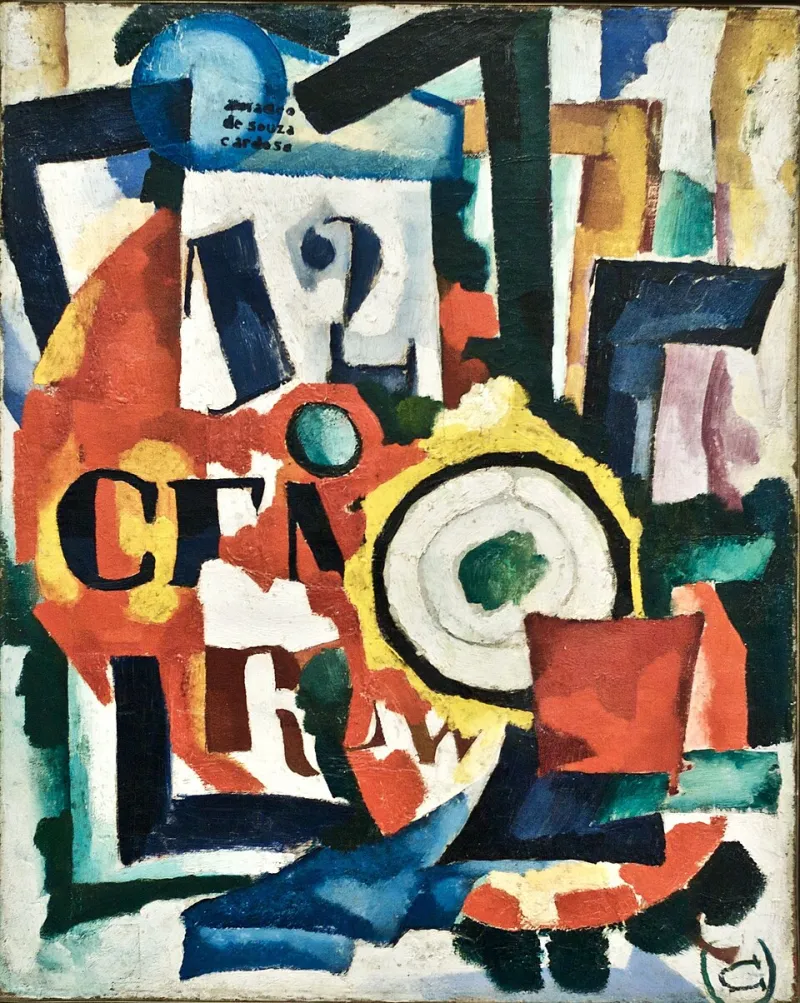
Photo: Amadeo de Souza Cardoso, Public domain, via Wikimedia Commons
Let's start with the candle. You've seen it. Maybe you've bought it, or wanted to, or stood in front of it at a boutique shop and felt something complicated happen in your chest. It costs $85. It smells like a forest that has never experienced capitalism. The label is minimal — just a word, maybe two, in a tasteful sans-serif. It will last, they say, sixty hours. That's about a dollar forty per hour to make your apartment smell like you have your life together.
This is where we live now.
The Anti-Consumer Aesthetic That Requires Constant Consumption
Cottagecore, dark academia, that girl, quiet luxury — the aesthetics rotate but the logic stays the same. Each one promises an identity that exists outside of mainstream consumerism, and each one requires an entry fee that would make your landlord blush. The whole game is built on a beautiful contradiction: you signal that you don't care about stuff by buying very specific, very expensive stuff.
Minimalism was supposed to be the antidote to excess. And for about five minutes in the early 2010s, it was genuinely interesting as a design philosophy. Then it got absorbed by the market, sanded down into a look, and resold at a premium. Now "minimalist" means a $400 linen duvet, a single sculptural vase from a small-batch ceramicist in Vermont, and the conspicuous absence of anything that looks like it came from Target. The point was never fewer things. The point became better things — and better, in this context, has always meant more expensive.
Cottagecore did the same thing faster. What started as a soft, romantic escape fantasy — wildflowers, sourdough, the vague promise of a slower life — became a shopping list. Vintage-look aprons. Dried herb bundles. Mushroom-print everything. A $200 cast iron pan that you season with the same devotion other people give to religion. The aesthetic is explicitly nostalgic for a pre-industrial simplicity that requires a very industrial supply chain to reproduce.
Vibes as Class Signifiers
Here's the thing about aesthetic culture that doesn't get said enough: it's doing the same work that conspicuous consumption always did, just with better PR. The Gilded Age had gold-plated everything. The '80s had logos. Now we have taste — and taste, as it turns out, is just wealth wearing a turtleneck.
The shift is subtle but important. When status came from obvious luxury goods, it was at least legible. You knew what a Rolex meant. The new status economy is built on things that look like they're not trying — the intentionally imperfect, the handmade, the locally sourced, the ethically produced. These are genuinely good values in theory. In practice, they've become the exclusive vocabulary of people who can afford to perform them.
A $12 candle from the drugstore keeps your apartment just as dark as the $85 one. But only one of them signals the right kind of person.
And that's the actual product being sold. Not the candle. The identity.
The 'That Girl' Tax
Nothing crystallizes this more clearly than the "that girl" aesthetic — the 5 a.m. workout, the green juice, the perfectly made bed, the journaling practice, the glow. It's sold as discipline and self-improvement, a lifestyle accessible to anyone willing to put in the work. But look at the actual price list.
The workout requires either a gym membership, boutique fitness classes, or equipment. The green juice requires a juicer, or $14 cold-pressed bottles from a place that has concrete floors and exposed brick. The skincare routine — the one that makes the skin look effortlessly good — runs easily $300 in product. The linen sets. The matching sets for the workout. The water bottle that costs $45 because it keeps things cold and also tells people something about who you are.
The aesthetic is aspirational in the most literal sense: it depicts a life that aspires to look like it requires no money, while quietly requiring quite a lot of it.
For people who can genuinely afford this, it's a lifestyle. For people who can't — and that's most people, in a country where the median rent has eaten the concept of disposable income — it's a performance funded by debt, or a fantasy funded by a carefully curated grid that only shows the pieces you managed to pull off.
What We're Actually Buying
It would be easy to end here with a clean critique: aesthetics are capitalism in a linen shirt, and we should all be more aware. But the more honest thing to sit with is why these aesthetics are so compelling, especially for people who can't really afford them.
Because the appeal isn't really about the candle. It's about the feeling the candle is supposed to deliver — calm, intention, a sense that your space and your life are under your control. In a country where housing is unstable, work is precarious, and the future feels genuinely uncertain, the idea of a curated corner of the world that belongs entirely to you is not frivolous. It's survival-adjacent.
Aesthetic culture sells the feeling of agency. It just prices it out of reach for the people who need that feeling most.
The vibe isn't the problem. The price tag is. And until we're honest about who can actually afford to opt into these identities and who is performing them on credit — literal or otherwise — we're just selling each other a very pretty lie about what it means to have taste.
The candle, by the way, burned down after forty-two hours. Not sixty. The math was always off.